
Close navigation
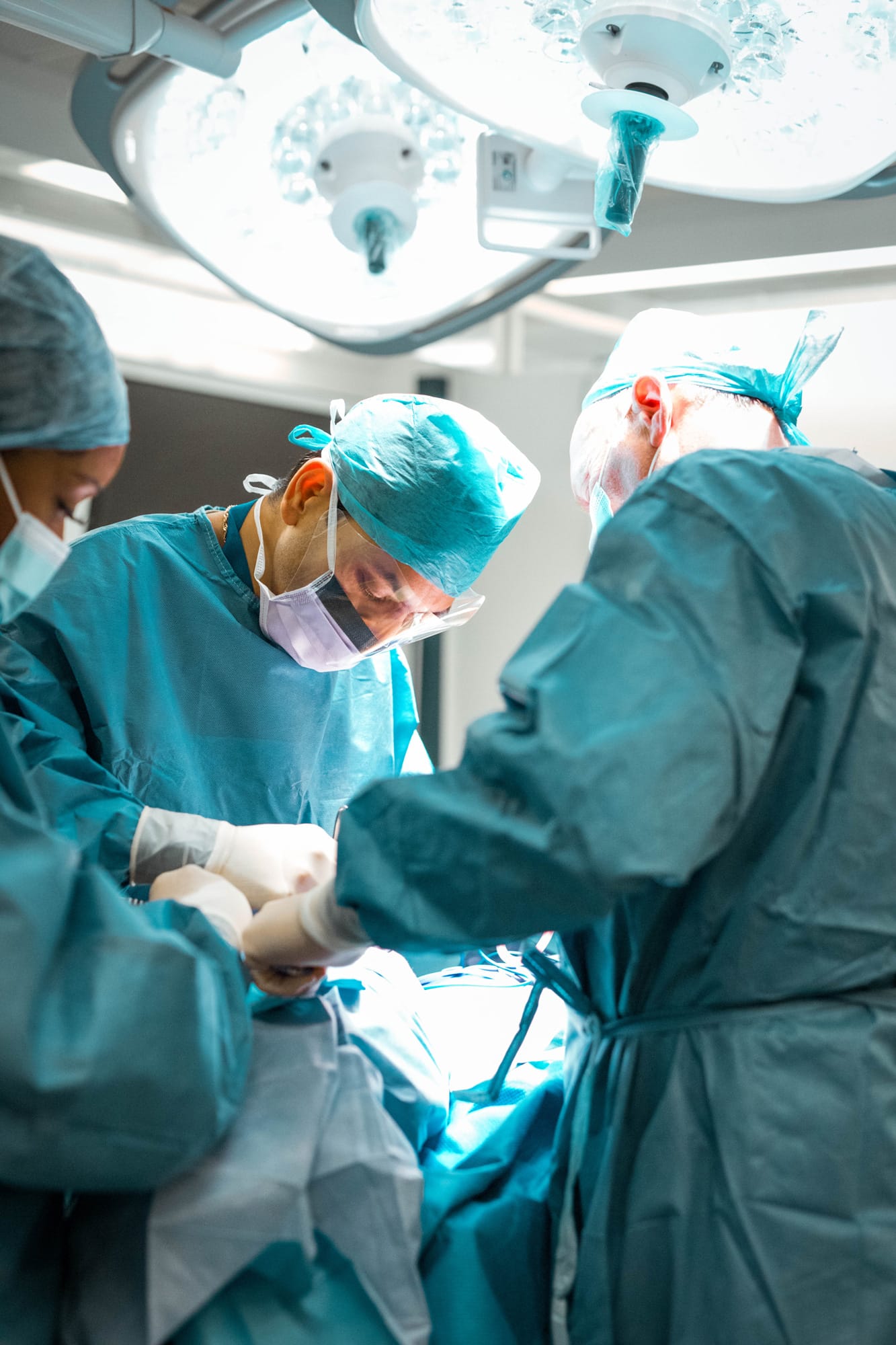
A Maxillary Osteotomy is a type of corrective jaw surgery (also known as orthognathic surgery) specifically focused on the upper jaw, known as the maxilla. While the idea of jaw surgery can feel daunting, it is a routine procedure used to move the upper jaw into a more functional and balanced position. By correcting the alignment of the jaw, we can improve not only how you look but, more importantly, how you eat, speak, and breathe.
In simple terms, this procedure involves carefully repositioning the upper jaw to fix issues where the teeth don’t meet properly or the jaw is uneven. It is often used to correct a receding upper jaw, a gummy smile, or an open bite. Because the surgery is performed from inside the mouth, there are typically no visible scars on the skin of your face, making the transition to your new smile seamless.
To make the details of the procedure easier to follow, here is a step-by-step breakdown of how a Maxillary Osteotomy is performed:

Here is a breakdown of why a Maxillary Osteotomy is often the best solution for correcting certain jaw concerns:
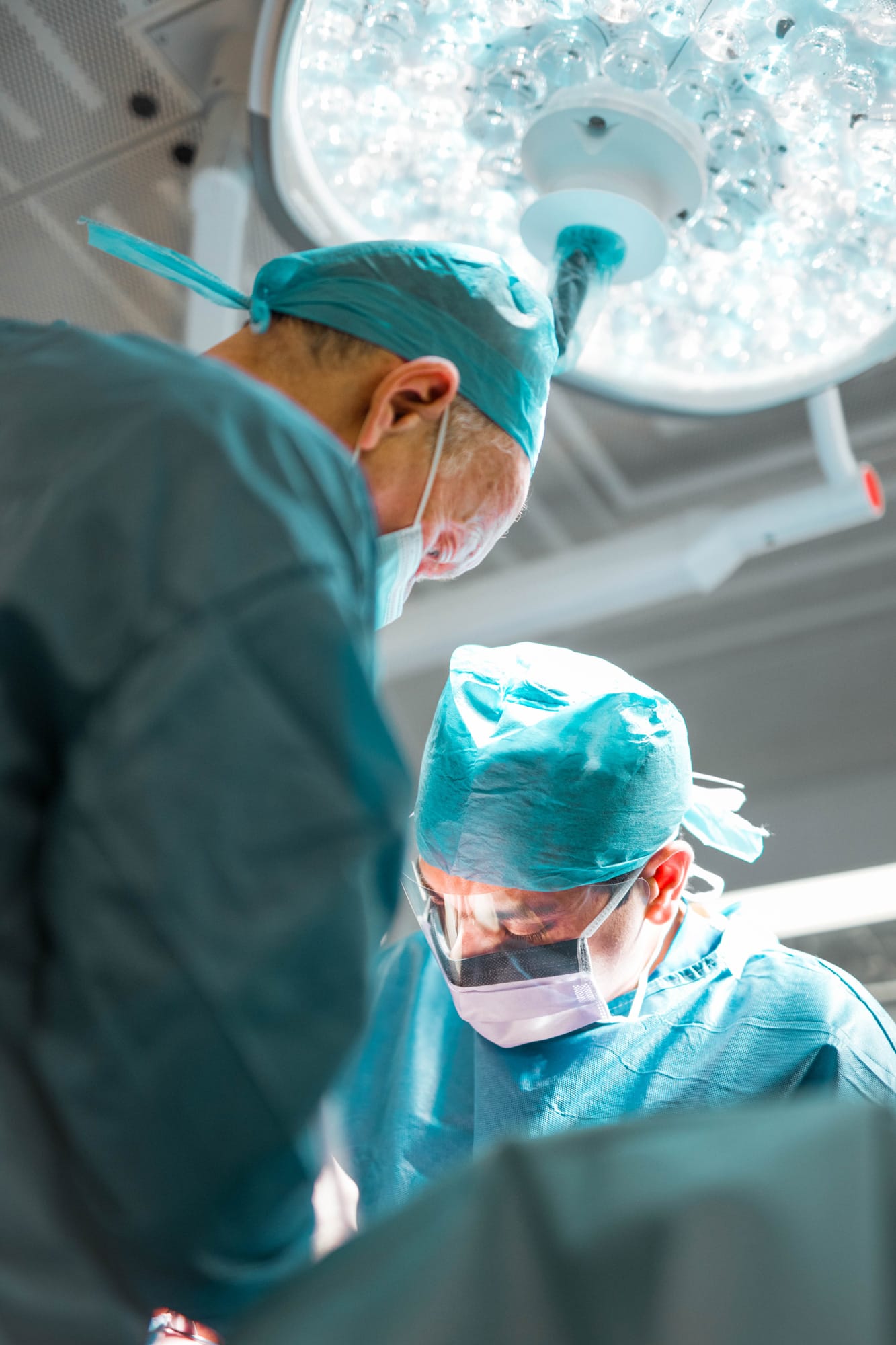
Recovery from jaw surgery requires patience, but most people are surprised to find it is not as painful as they anticipate.

This procedure is typically recommended for adults and older teenagers whose jaw growth is complete and who have a significant bite misalignment that cannot be fixed by braces alone. You might be a candidate if you have a “gummy” smile, a receding upper jaw, or an “open bite” where your teeth don’t meet in the front. Often, candidates have struggled with practical issues like difficulty chewing, chronic jaw pain, or even breathing problems like sleep apnoea, and are looking for a permanent solution to improve both their health and their facial symmetry.
The surgery is performed entirely from inside the mouth while you are under general anaesthesia, so there are no visible scars on your face. Your surgeon carefully adjusts the upper jawbone by making precise cuts in the gum area above your teeth. The jaw is then moved into its new, balanced position, forward, backward, or tilted, and secured with tiny, medical-grade titanium plates and screws. These plates stay in place permanently, acting as a supportive internal framework while your bone heals and strengthens in its new alignment.
While the idea of jaw surgery sounds intimidating, most patients are surprised to find that it is less painful than they expected, largely because the nerves in the area are often “dulled” or numb immediately following the procedure. You will experience some swelling and a feeling of “tightness” or pressure, but this is managed effectively with prescribed pain relief and cold compresses. The surgical team ensures you have a comprehensive pain management plan in place so that your recovery period is as comfortable as possible.
The benefits of this surgery are often life-changing, impacting both how you feel and how you look. Functionally, it can vastly improve your ability to chew and speak, reduce the wear and tear on your teeth, and alleviate chronic jaw joint (TMJ) pain. Many patients also find they breathe much easier and sleep better because the surgery opens up the airway. Visually, it creates a more balanced facial profile and a confident smile, correcting long-standing concerns about jaw proportion or “gummy” appearances.
If you would like to discuss treatment, book a consultation or just have a general enquiry, please get in touch.
Referrals from GDPs, GPs and consultants are welcome. Please use this form if you wish to discuss a case prior to referral.
We aim to reply to enquiries within 24 hours.
Refer your patient